Hi, I am Jitze Orij

Design researcher of games for mental health

Projects

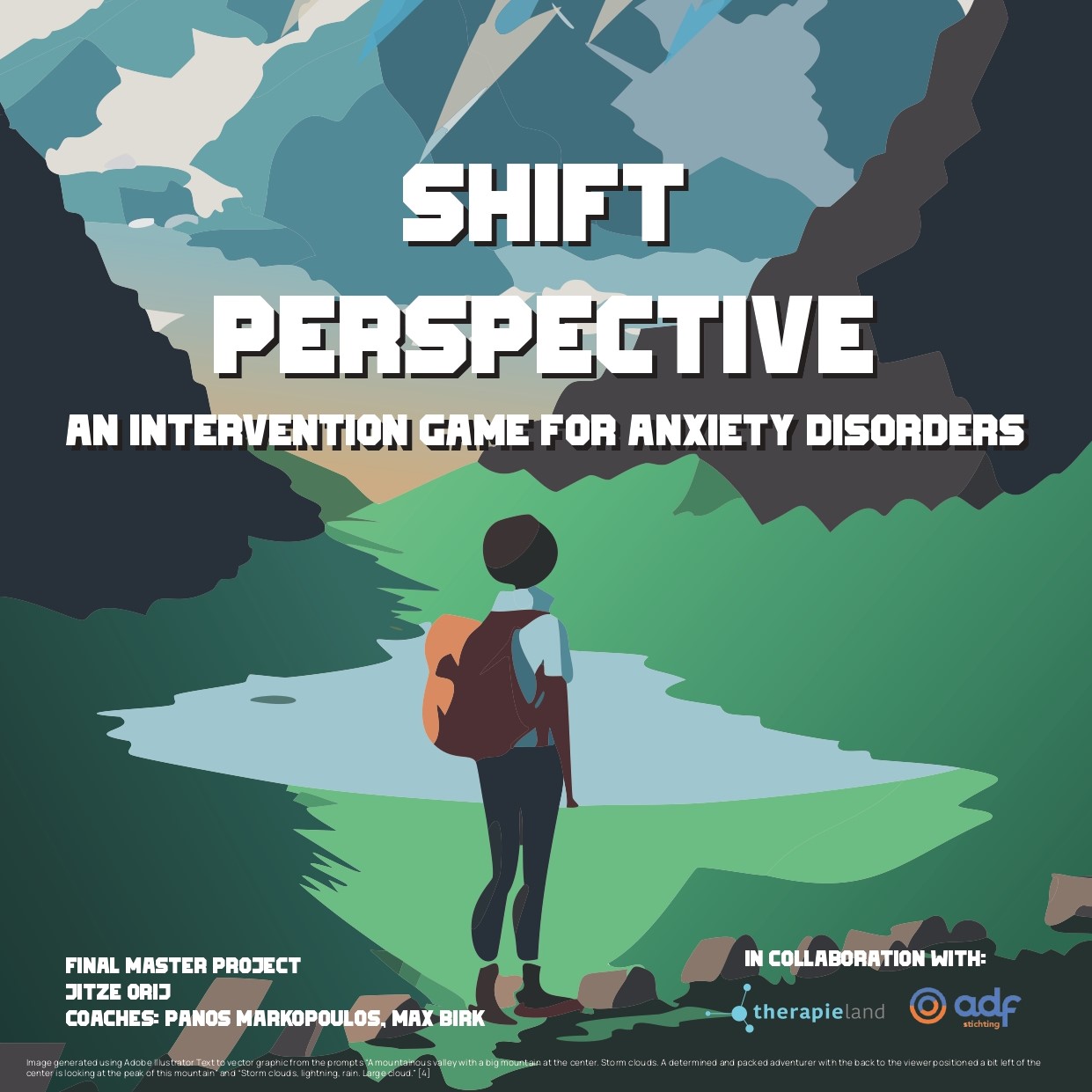
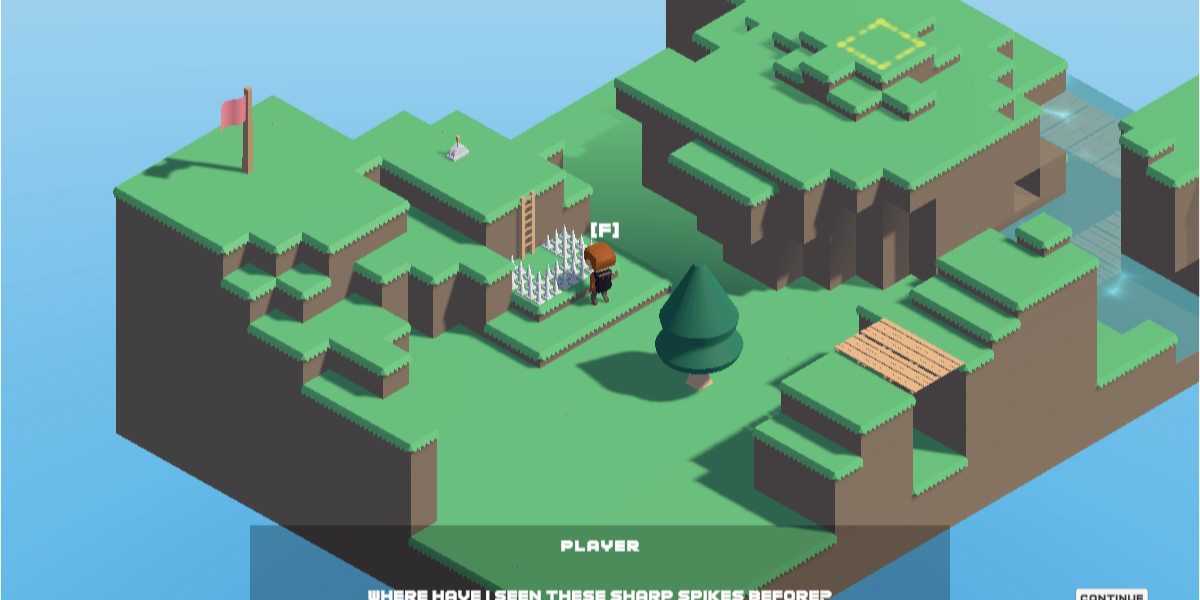
 Shift Perspective is a puzzle platformer intervention game for anxiety disorders 
          that aims to reduce symptoms in an engaging way. The game was developed with expertise from mental health professionals and people with anxiety disorders. 
          The game incorporates therapeutic techniques of cognitive restructuring to help players adopt a different perspective on their negative thoughts. With Shift 
          Perspective I hope to make mental healthcare more accessible and engaging for those in need.
          <br><br>
          <a href='/shift_perspective.php'>Play the game!</a>

Shift Perspective

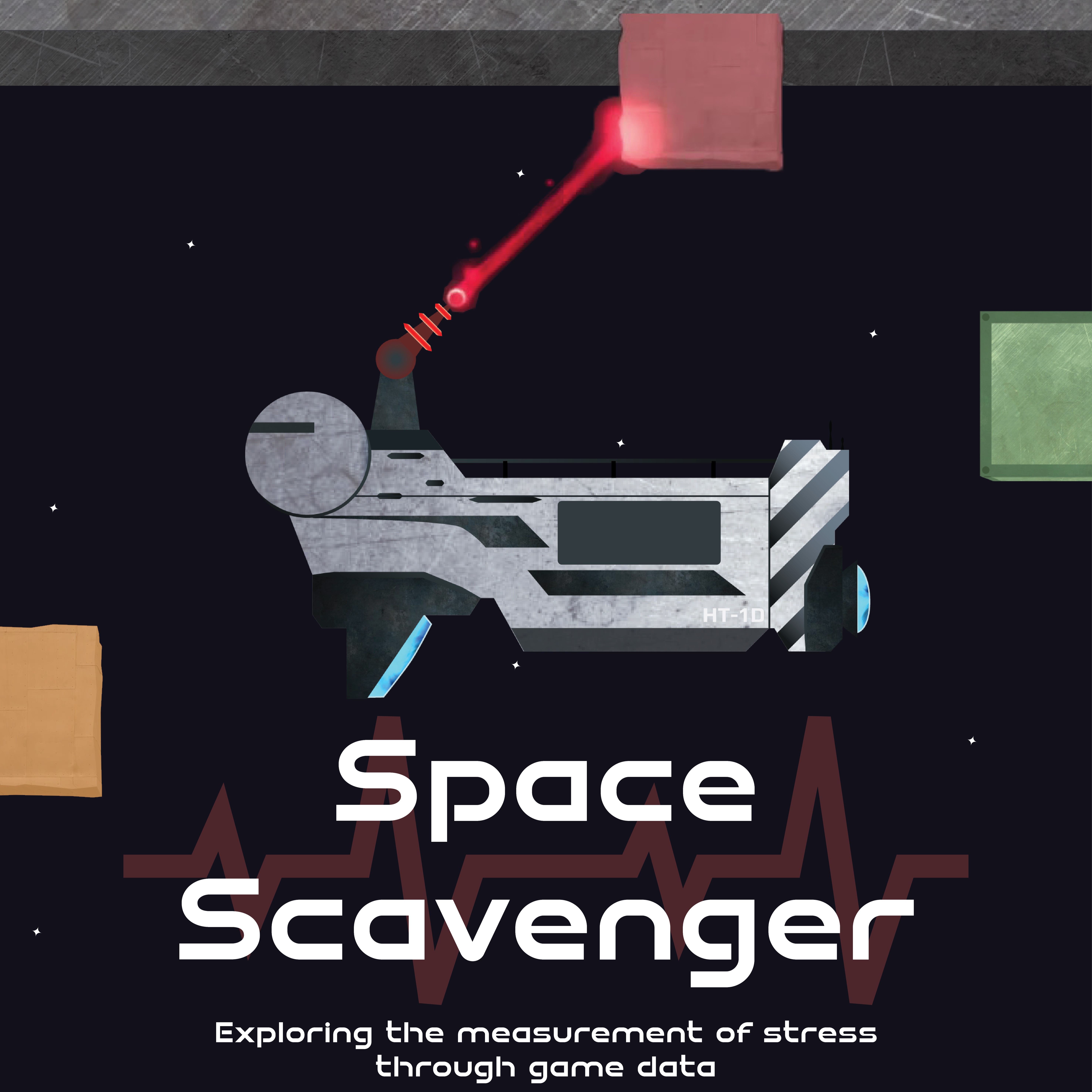
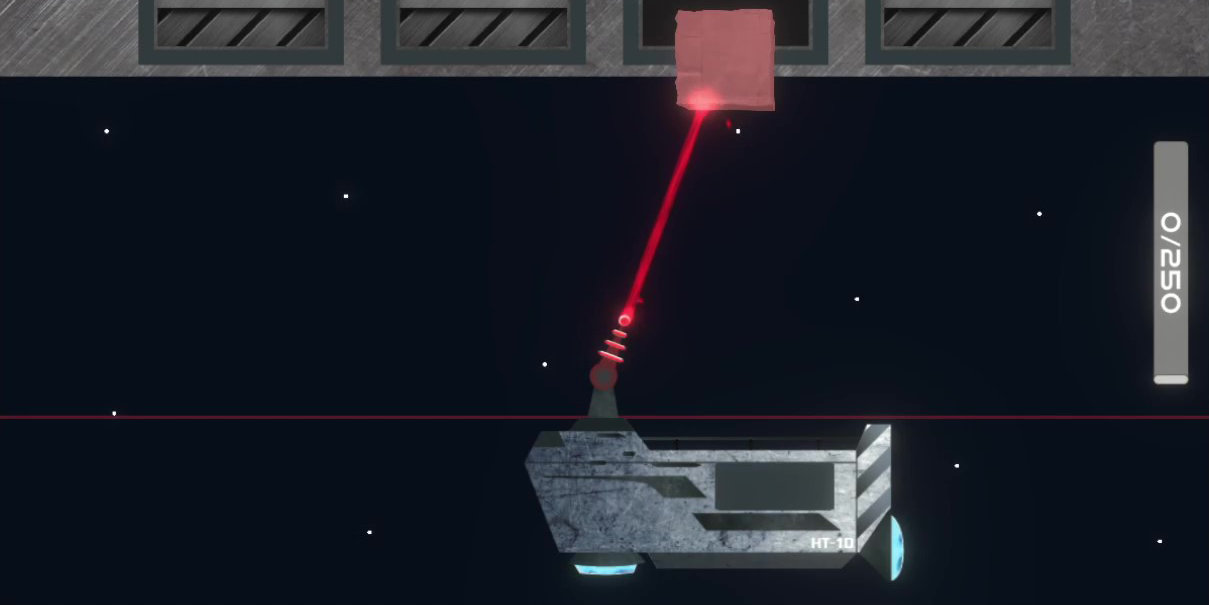
Space scavenger is a space themed game where you scavenge materials from another 
          spaceship to upgrade your own spaceship. The goal of the game is to gather material delivered in crates while avoiding damage to your ship. The game 
          incorporates. The game combines two psychological tasks in one game, aiming to improve engagement and time efficiency in stress measurement.
          <br><br>
          <a href='/space_scavenger.php'>Play the game!</a>

Space Scavenger

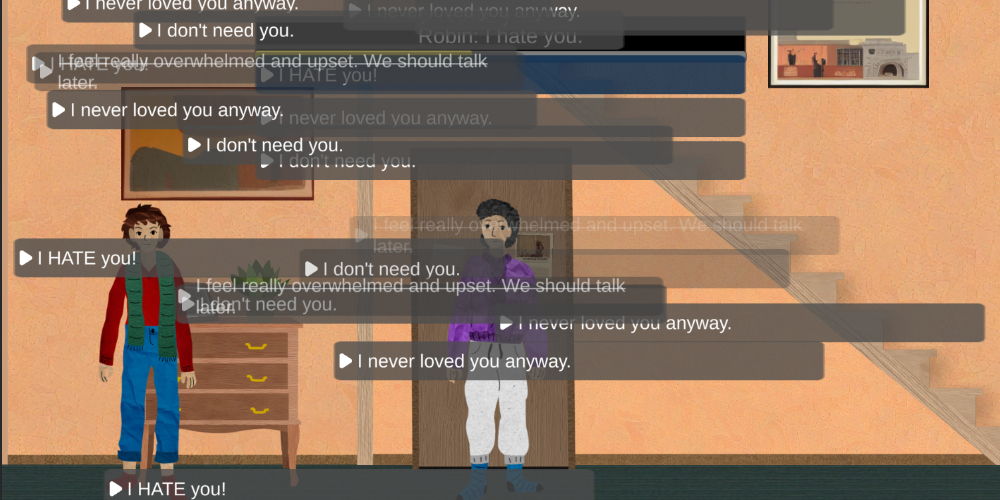
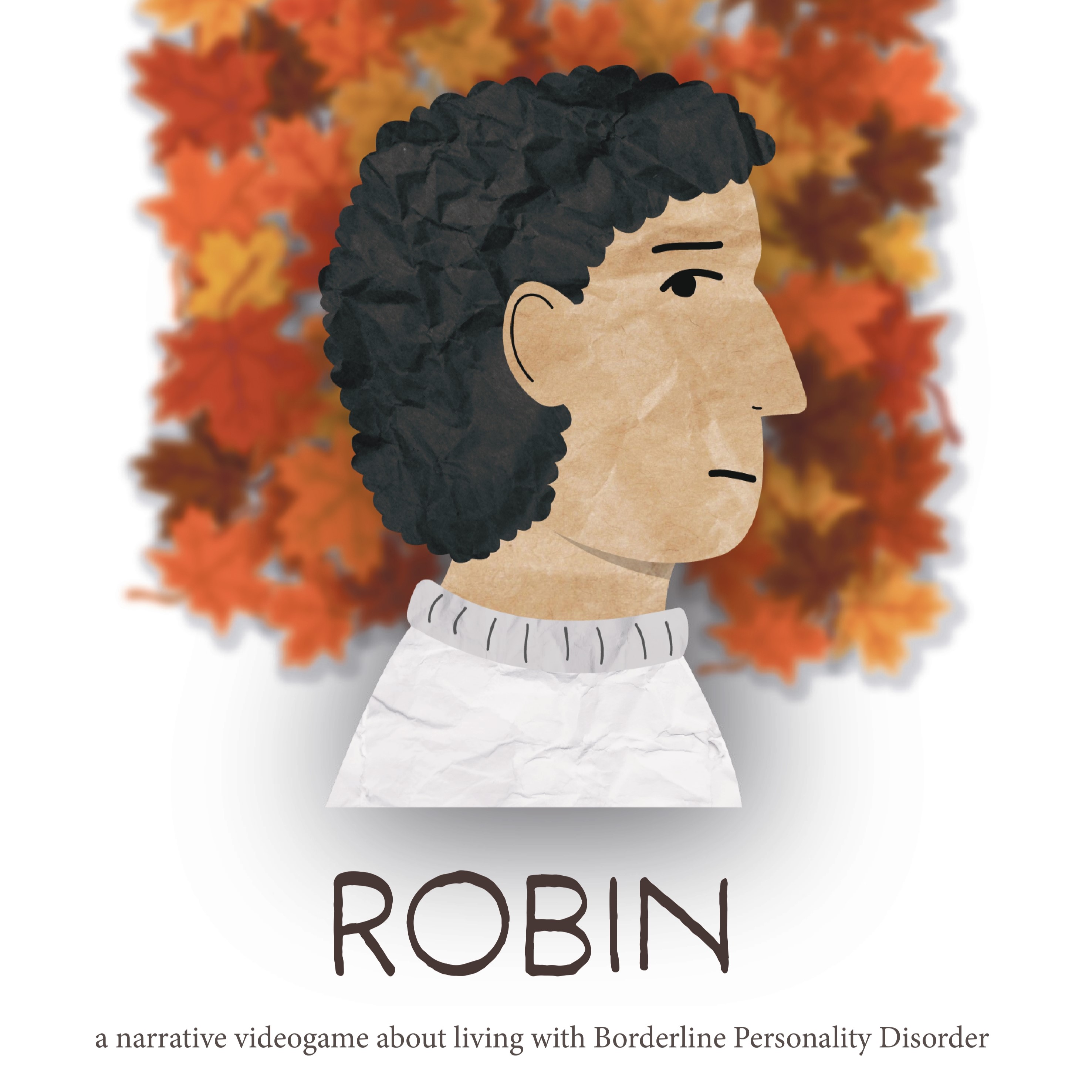
Robin is a narrative video game in which you play as an individual with BPD. 
          During development, we involved people with BPD and mental health professionals. The game shows you the perspective of a person with BPD 
          to create understanding for their thought process, which is often misunderstood by their surroundings. Through this understanding we hope 
          to reduce stigma and start more open conversations about this disorder.
          <br><br>
          <a href='/robin.php'>Play the game!</a>

Robin

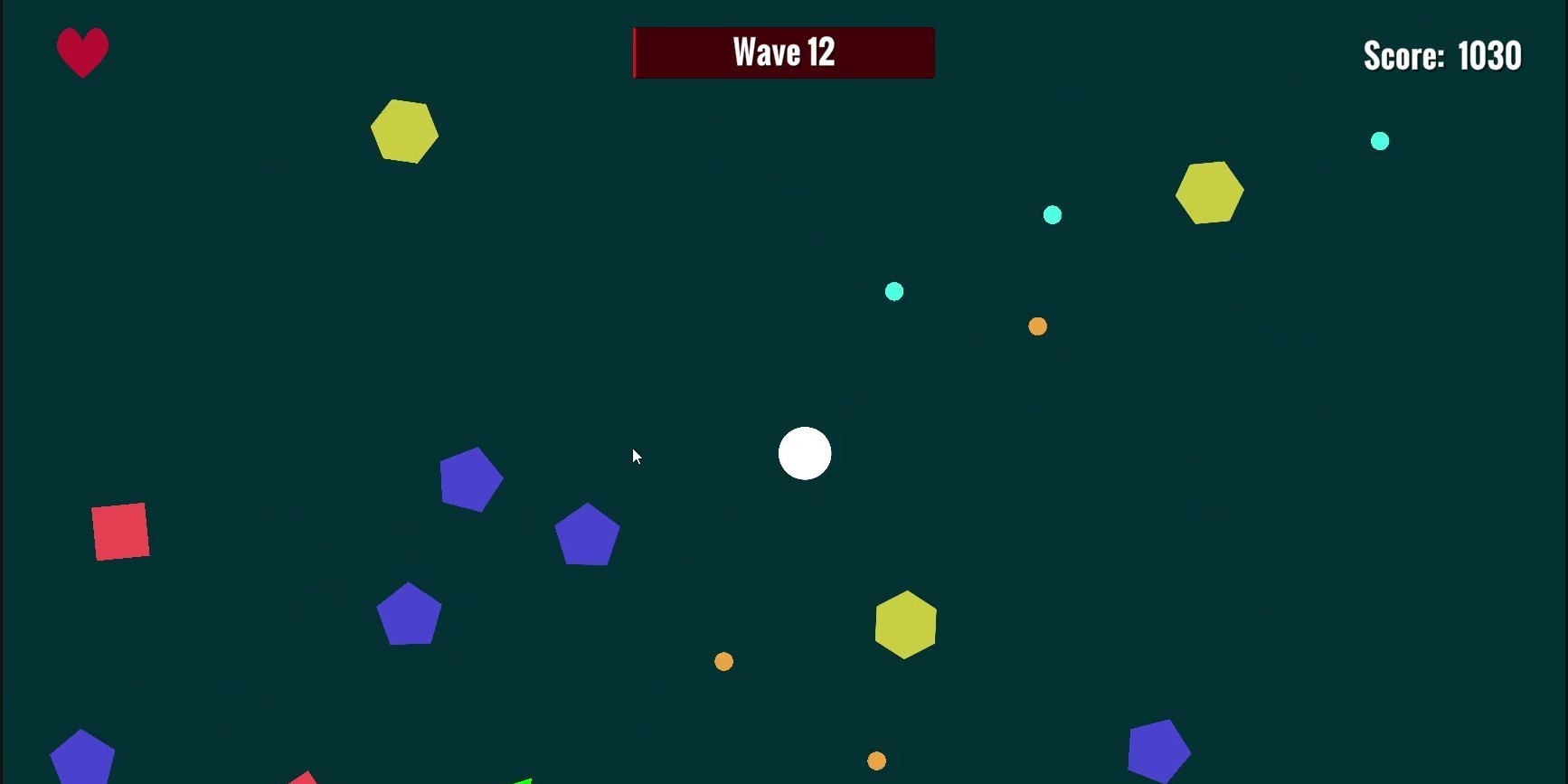
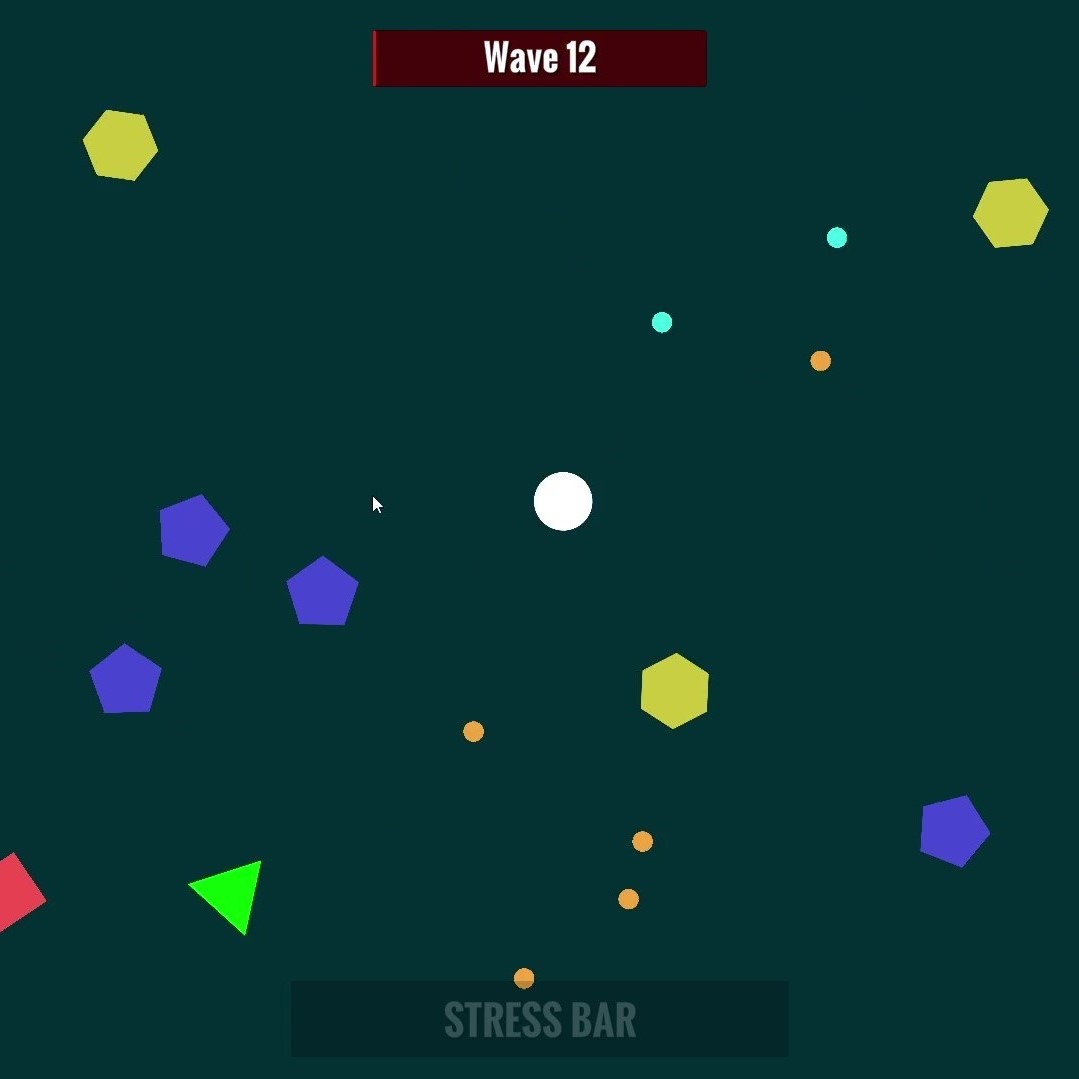
Figure Frenzy is a digital game designed to induce and measure stress of research participants. It is a bullet hell
          type game where players need to dodge a swarm of bullets and shoot enemies. The game creates stress by overloading players
          with tasks, testing their mechanical skills and giving them a difficult high score to achieve. Through data such as accuracy
          of shots, mouse acceleration and keystrokes, a prediction is done to assess whether a player is stressed or not. 
          <br><br>
          <a href='/figure_frenzy.php'>Play the game!</a>

Figure Frenzy

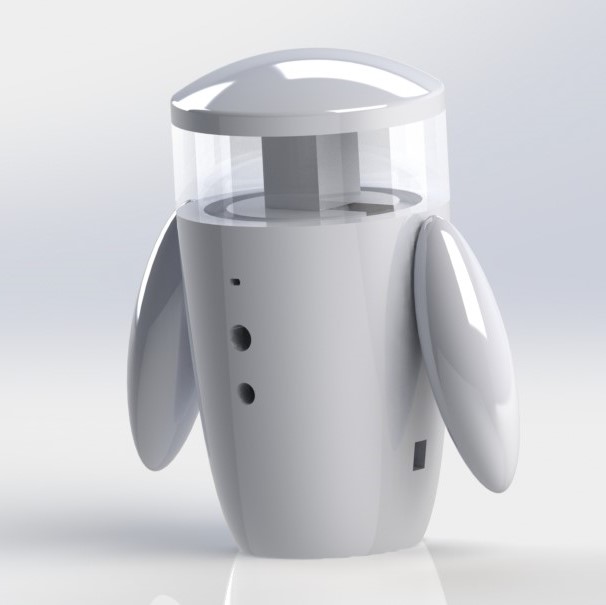
Bert is a personified lamp that is designed to be nurtured. Bert's personality
          is based on a bird that still has to learn how to fly. Bert is scared of the dark and expresses his
          emotions via light and robot-like sounds. Next to that, he malfunctions sometimes, but tries to
          repair his mistakes himself whenever he can, although he might need the user's help for that
          sometimes as well.

Bert

Nami is a towel rack that acts as a reminder and nudger of set running intentions of female runners. It implements the theory of the Aesthetics
          of Friction from Laschke & Hassenzahl to stimulate behaviour change, where the nudge of friction is used in an understanding and ironic way.
          Nami aims to generate more thoughts about one's exercise behaviour with this process of friction.

Nami

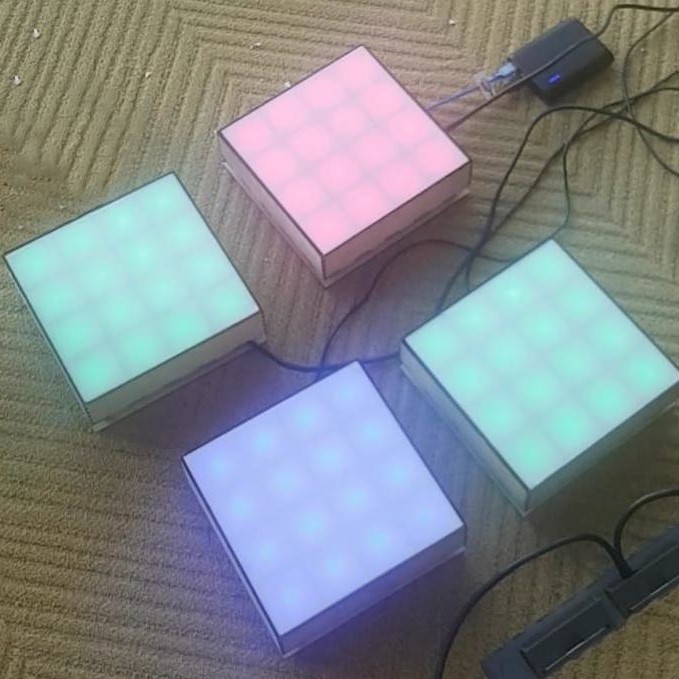
Stepp't is a system of tiles designed to make children move more and to make sporting in open spaces more accessible and fun. The system tries to
          stimulate open-ended play through two interaction rule sets. The first set makes the composition of active tiles change by stepping on the tiles;
          the other set creates a light trail that bounces when the active tile is stepped upon.

Stepp't

The Breakball is a desktop device that tries to guide employees to create a better rhythm of taking breaks. The breakball incentivises the
          user through a collection system where employees of a company can raise money for a good cause through movement. This movement is also compared
          with co-workers so that co-workers encourage each other to move in their breaks.

Breakball

Vision

Looming global problems of environmental change and geo-political tensions are leaving a destructive impact on global mental health [5]. Mental health issues are becoming more prevalent [6], yet the current mental healthcare system is not able to sufficiently address the demand for care creating a treatment gap [3]. To scale up mental healthcare, I believe we will see an increasing demand for technological interventions to provide digital self-help.

These technological interventions will show a shift to early detection, prevention, and treatment of issues to reduce pressure on the healthcare system and promote mental health. As the interventions will only be as effective as to how people are engaged in them, I think we will see a growth in gamified interventions. The popular medium of video games is showing potential to measure possible present mental health issues [4] and to improve symptoms of mental health disorders [2, 3].

Design of games for mental health will require user-centered [1, 3] and theory-based design approaches to reach effective solutions. The role of the designer will be to foster interdisciplinary collaboration with clinicians and people with lived experiences of mental health to accurately display mental health, incorporate evidence-based interventions and create real world impact. Additionally, I envision the designer to be an expert in research through design to research the effectiveness of the intervention and create evidence-based solutions. Through adapting this role, designers will work towards a future with reduced mental health problems through the power of play.

Professional Identity

With my optimistic view, I believe that mental healthcare should be accessible to everyone so that they can improve their quality of life. Through personally seeing how devastating a mental disorder could be for someone, I wanted to make a difference. When I discovered that my passion for games could provide new opportunities to improve mental health, I knew that I wanted to contribute to this research area to share my passion and help others.

With knowledge of and passion for game design, my goal is to create engaging and accessible interventions for prevention, measurement and improvement of mental health. To facilitate the design of these games, I developed a theory-based design rationale to incorporate evidence-based theories into game design. Moreover, I have acquired technological skills to quickly prototype and test iterations in user-centered approaches to drive the design process and validate the design. Additionally, I am experienced in data analysis and research methodology to setup and conduct studies to investigate the effectiveness of these games. However, being more logical of nature, I sometimes struggle with explorative practices. I try to overcome this by setting concrete goals beforehand to not get lost during the exploration.

In a team setting I try to play the role of the mediator and adopt a more reflective view to be critical in what steps to take next in the design process. I try to make sure everyone is heard and that we align viewpoints when deciding upon the next direction of the project. With my skillset and passion, I hope to contribute to the research area of game design for mental health and work towards a healthy future.
References

  1. Fleming, T.M., Bavin, L., Stasiak, K., Hermansson-Webb, E., Merry, S.N., Cheek, C., Lucassen, M., Lau, H.M., Pollmuller, B. and Hetrick, S. 2017. Serious Games and Gamification for Mental Health: Current Status and Promising Directions. Frontiers in Psychiatry. 7, JAN (Jan. 2017), 215-215. DOI: https://doi.org/10.3389/FPSYT.2016.00215.
  2. Lau, H.M., Smit, J.H., Fleming, T.M. and Riper, H. 2017. Serious games for mental health: Are they accessible, feasible, and effective? A systematic review and meta-analysis. Frontiers in Psychiatry. 7, JAN (Jan. 2017), 211518. DOI: https://doi.org/10.3389/FPSYT.2016.00209/BIBTEX.
  3. Lukka, L. and Palva, J.M. 2023. The Development of Game-Based Digital Mental Health Interventions: Bridging the Paradigms of Health Care and Entertainment. JMIR Serious Games 2023;11:e42173 https://games.jmir.org/2023/1/e42173. 11, 1 (Sep. 2023), e42173. DOI: https://doi.org/10.2196/42173.
  4. Mandryk, R.L. and Birk, M.V. 2019. The Potential of Game-Based Digital Biomarkers for Modeling Mental Health. JMIR mental health. 6, 4 (Apr. 2019). https://doi.org/10.2196/13485.
  5. Moitra, M., Owens, S., Hailemariam, M., Wilson, K.S., Mensa-Kwao, A., Gonese, G., Kamamia, C.K., White, B., Young, D.M. and Collins, P.Y. 2023. Global Mental Health: Where We Are and Where We Are Going. Current Psychiatry Reports. 25, 7 (Jul. 2023), 301-311. DOI: https://doi.org/https://doi.org/10.1007/s11920-023-01426-8.
  6. NEMESIS, de psychische gezondheid van de Nederlandse bevolking: https://cijfers.trimbos.nl/nemesis/kerncijfers-psychische-aandoeningen/samenvatting-kerncijfers/. Accessed: 2024-01-06.